

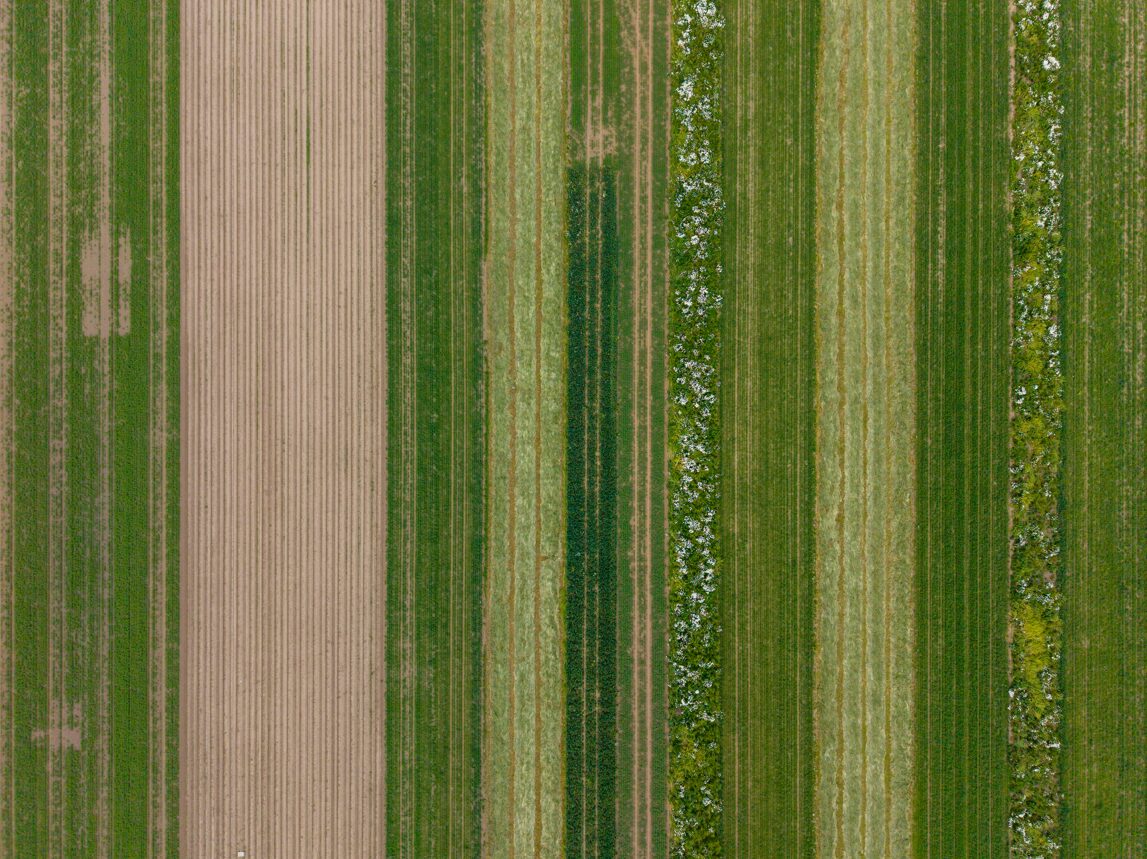
Regenerative Agriculture
Thriving together for the regenerative agriculture transition across Europe
Why the regenerative agriculture transition matters
By 2050, the world needs to produce food for nearly ten billion people, while today’s agricultural system is already pushing environmental and economic limits. Regenerative agriculture offers a way forward: restoring soil health, strengthening biodiversity, improving water resilience and supporting farmers in building more future-proof businesses.
But this transition cannot be realised by farmers alone. It requires collaboration across the full value chain — from farmers and food companies to investors, researchers, governments and landscape partners. That is why Foodvalley brings actors together to accelerate the regenerative agriculture transition across Europe.
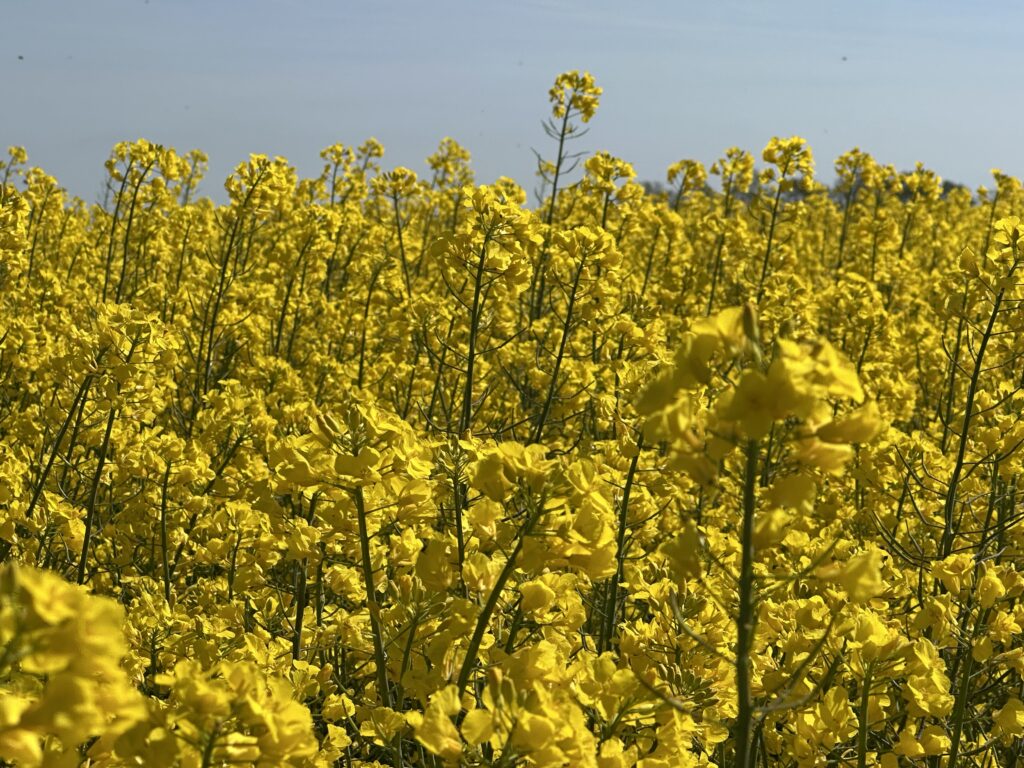
Foodvalley brings farmers, companies, investors, public actors, researchers and regional initiatives together to make agriculture work in practice.
From scattered initiatives to connected action
Regenerative agriculture is gaining momentum. Across Europe, farmers are exploring new practices, companies are rethinking sourcing, investors are looking for credible transition models and knowledge partners are building evidence around soil, water, biodiversity and farm resilience.
But regenerative agriculture cannot scale through individual initiatives alone.
This is why Foodvalley works as an independent convenor. We connect the people, landscapes and value chains needed to move from ambition to action.
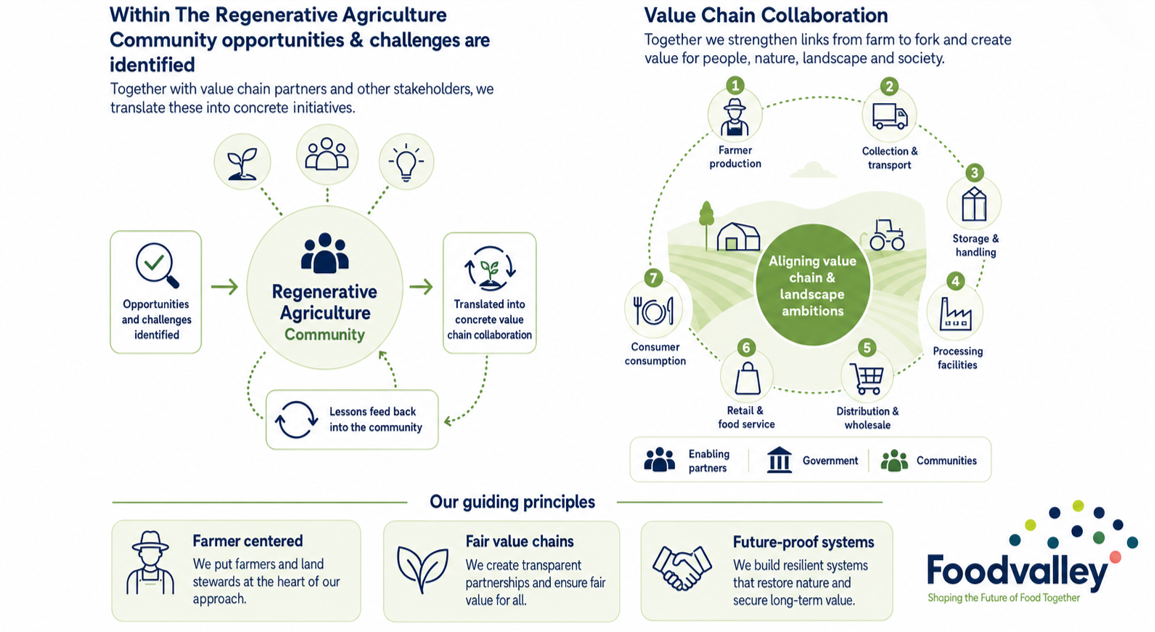
Foodvalley’s work is guided by the 3Fs
Farmer Centered | Fair Value Chains | Future-Proof Systems
Regenerative agriculture can only scale when farmers, ecosystems and value chains thrive together.
That is why Foodvalley brings farmers, companies, investors, public actors, researchers and civil society together to build a fair and future-proof food systems.
With a practical approach
Applying our approach to accelerate the transition to regenerative agriculture.
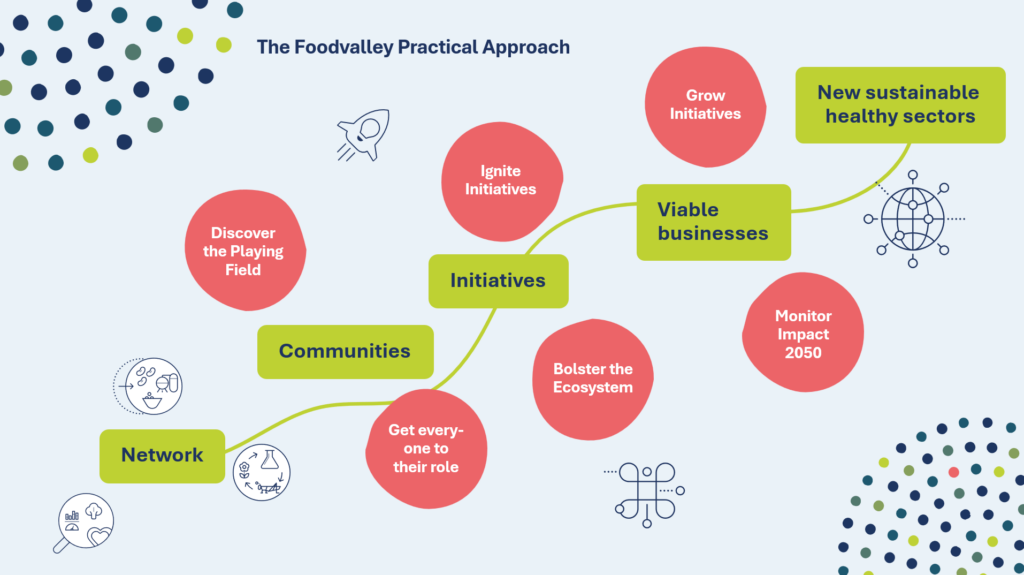
Foodvalley helps turn regenerative agriculture ambitions into action
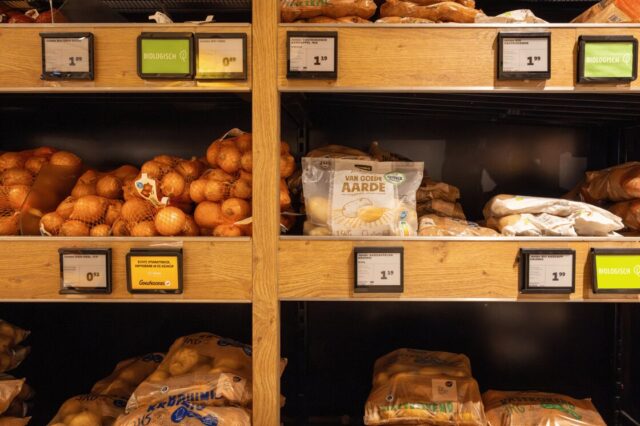
Convening regenerative value chains
Regenerative agriculture can only scale if it has a viable route to market. This requires collaboration across the value chain, bringing together farmers, processors, brands, retailers, food service, B2B buyers, investors, policymakers and landscape actors.
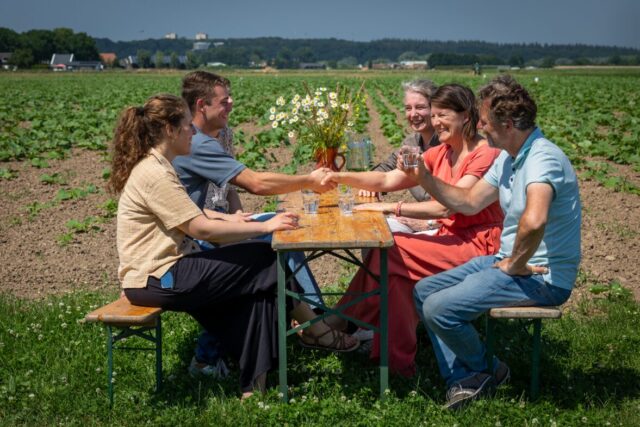
Convening regenerative landscapes
Foodvalley supports the scaling of regenerative agriculture by helping develop collaborative landscape initiatives. Our role is to convene, connect and activate. We bring the right partners to the table and support them in moving from ambition to action.
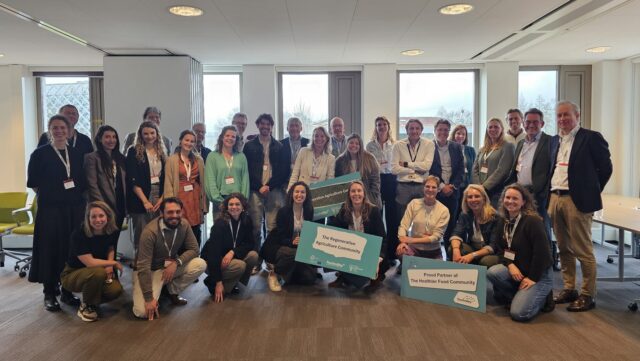
Connecting the community as a breeding ground for initiatives
The community is where regenerative agriculture becomes more than an ambition.
It is where partners meet, learn and explore what is needed to make regeneration work in practice.
Mapping the ecosystem
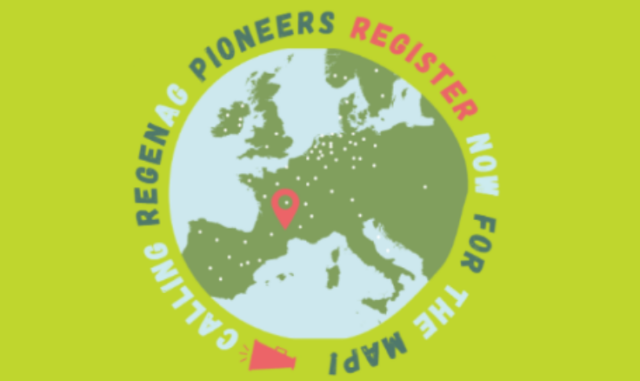
To support the transition, Foodvalley will be launching the Regenerative Agriculture Transition Map: a European overview that makes regenerative agriculture ecosystems visible and actionable.
Get in contact


Initiatives
Thriving Together Programme
Relevant for
Regenerative Agriculture
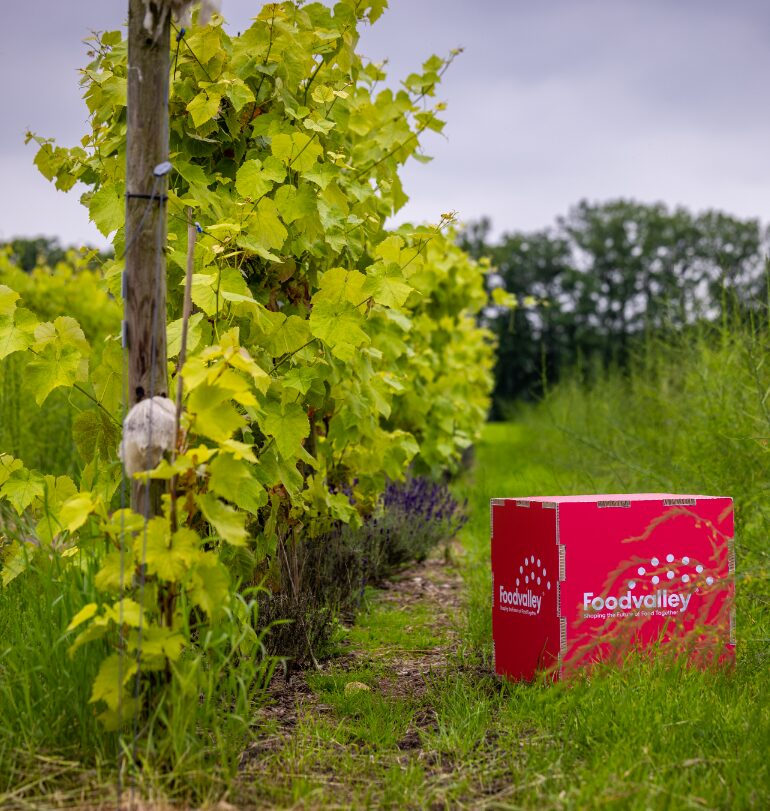
Regenerative Agriculture can only scale when people, planet and profit thrive together. Regeneration of the land starts with the restoration of natural systems – soils plant & animal health, biodiversity and water systems -, But for farmers to regenerate the land at scale, regeneration of the food system is needed.
Read moreContact person

Resilient Agriculture Portfolio
Relevant for
Regenerative Agriculture
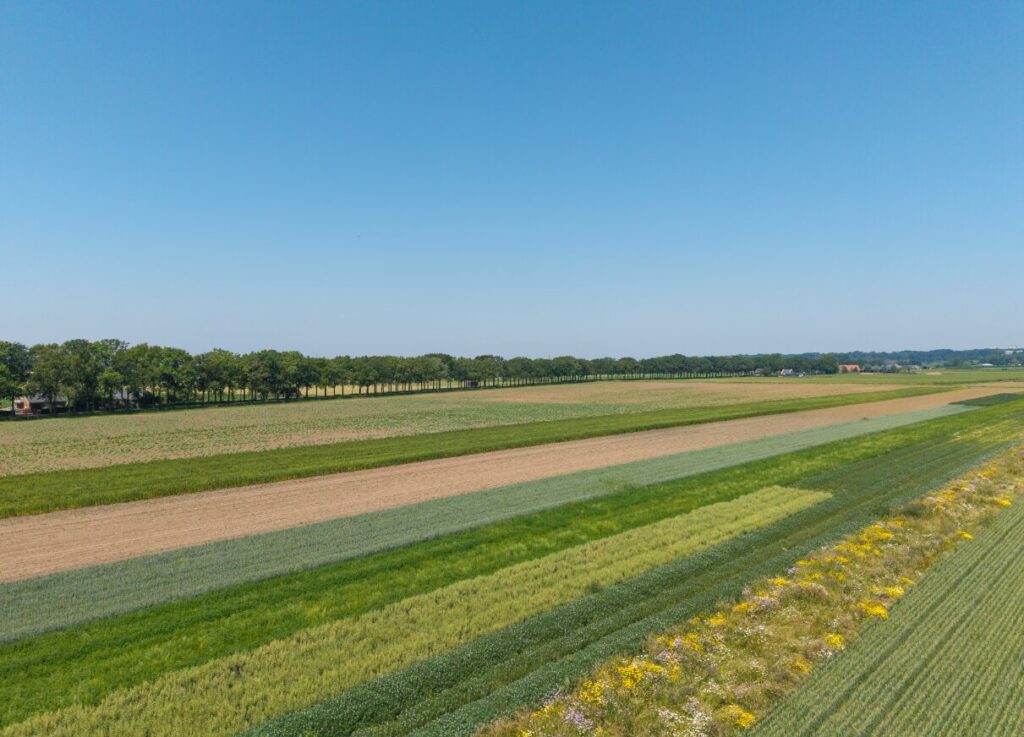
We believe that the solution to transition agricultural practices by farmers lies in cross value chain collaboration, where all partners work together in facilitating the farmer, put in the central, to transition towards regenerative practices. This is not an agricultural transition but more a value chain transition that needs a collaborative approach to come to scale.
Read moreContact person
Regenerative Agriculture Transition Map

The Regenerative Agriculture Transition Map showcases both active landscapes and initiatives currently in development, making regenerative ecosystems visible and enabling collaboration to scale across Europe. Soon to be launched. Be part of it and register now.
Read moreContact person
ReGeNL
Relevant for
Regenerative Agriculture
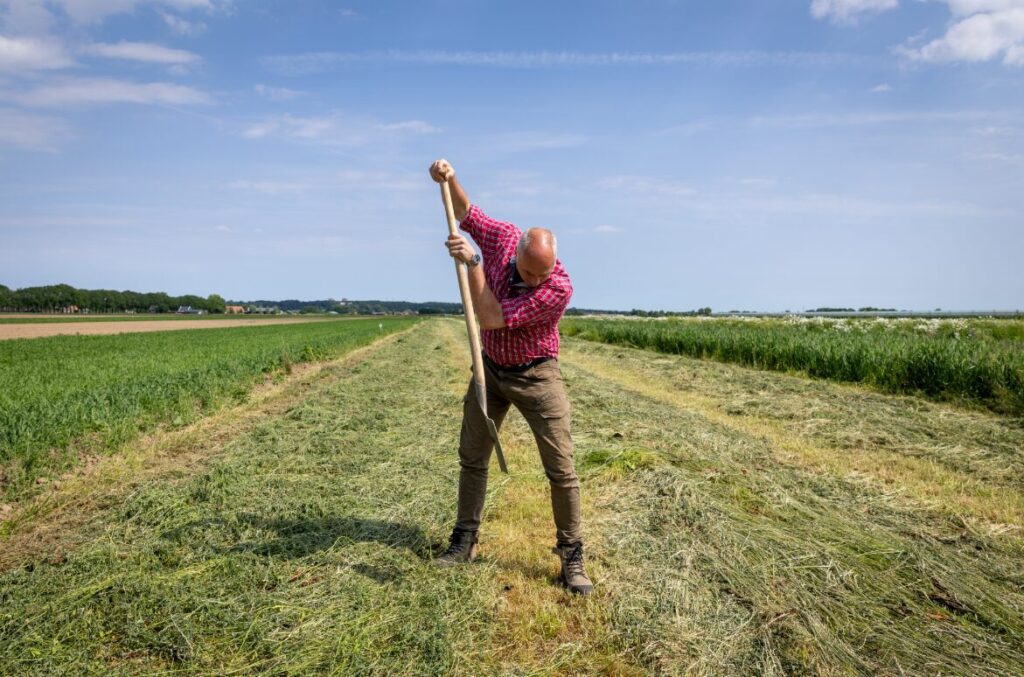
ReGeNL is working alongside Dutch farmers to develop a future-proof agricultural sector, where farming goes hand in hand with soil improvement and nature restoration, while ensuring a profitable business model for farmers.
Read more