

Convening Regenerative Landscape Initiatives
No one can transform the food system alone. But together we can.
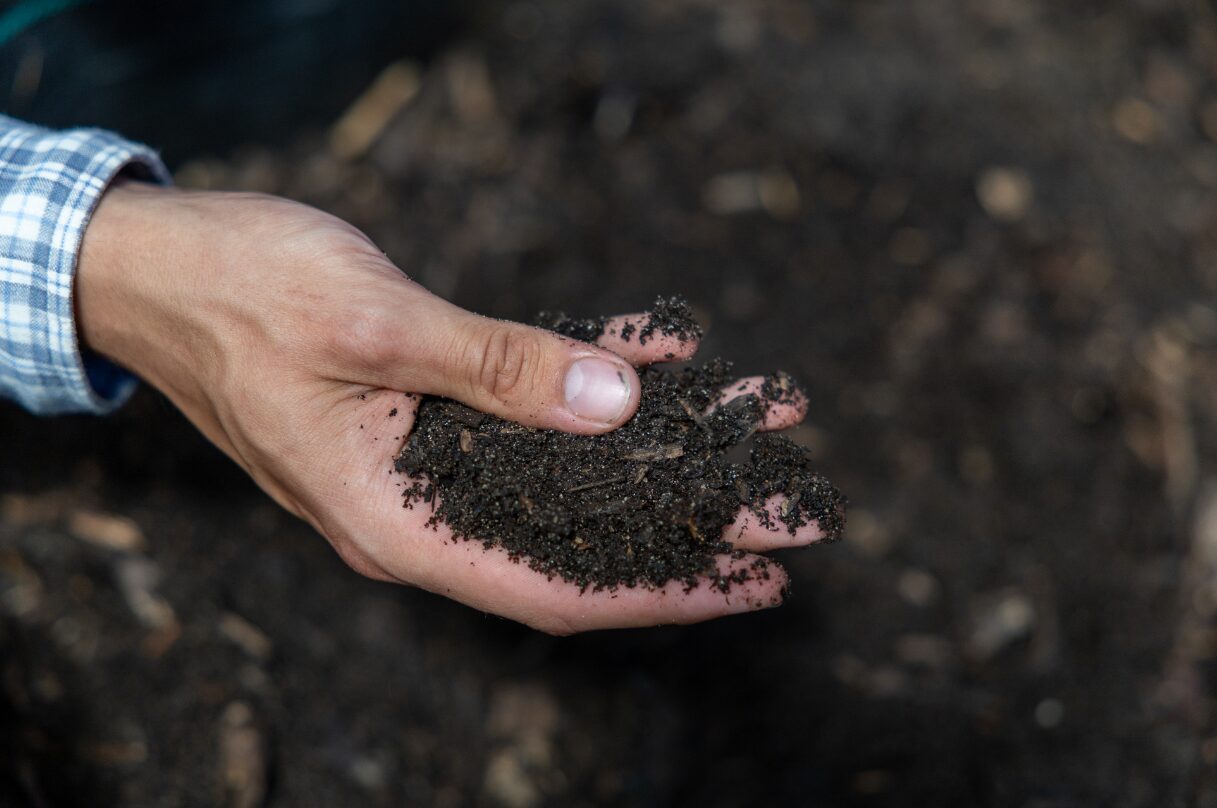
Regenerative agriculture starts in real places. In landscapes where farmers, soils, water, biodiversity and communities are part of one connected system. What happens on the land affects the health of the wider landscape, and the condition of that landscape shapes what farmers and communities can achieve. Regeneration is therefore not only about improving farming practices, but about restoring the relationships that make landscapes productive, resilient and alive.
Foodvalley supports the scaling of regenerative agriculture by helping develop collaborative landscape initiatives. We define a landscape as a bioregion with similar ecological characteristics, challenges and opportunities. A landscape initiative brings together the actors who are needed to support regeneration in that place: farmers, producer organisations, companies, buyers, water partners, governments, financiers, landowners, researchers and other enabling organisations.
Foodvalley’s role is to convene, connect and activate. We bring the right partners to the table, help them build a shared understanding of the landscape and support them in moving from ambition to action.
We do this as an independent hub. Because we are neutral, we can create a trusted space where different interests can meet. Because we know the ecosystem and the people in it, we can connect partners that might not otherwise find one another. And because we work inclusively, we involve the actors that are truly needed to make change happen, from farmers and local stakeholders to food companies, investors and public actors.
Why a landscape approach?
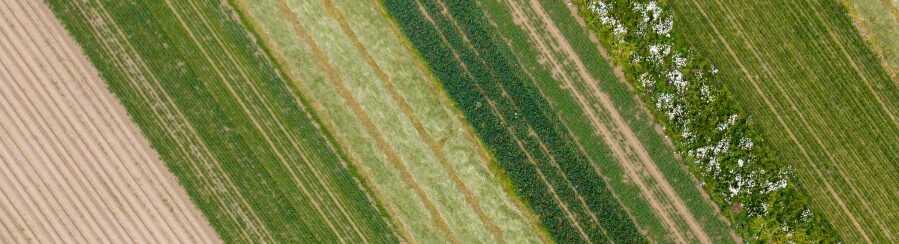
A landscape brings the interdependencies of the food system into focus.
- Farmers need a decent income, reliable markets and recognition for the work they do to improve soil, water and biodiversity.
- Agri-food companies need security of supply and products that meet quality and sourcing requirements.
- Water companies and water boards need proper water management.
- Citizens need healthy food, local employment and a pleasant environment to live in.
- Governments and insurers want to reduce risks linked to environmental damage, soil degradation, biodiversity loss and climate change.
- Nature itself needs protection and restoration to thrive.
In a landscape, these needs are connected…
When actors come together around a shared ambition, opportunities become visible and small steps can create ripple effects.
Together they can create the conditions for regeneration to take root.

We make use of the following 5 building blocks:
1. Discover the value chain playing field
We start by understanding the landscape
Who is active?
What are the ecological, economic and social challenges?
What are the strengths of the region?
Where are the opportunities for regeneration?
Which farmers, companies, water partners, public actors, financiers, landowners and knowledge partners need to be involved?
This exploration can include desk research, surveys, interviews and ecosystem mapping. The Regenerative Agriculture Transition Map can support this process by making actors and initiatives visible and by helping to connect relevant collaboration partners.
2. Get everyone to their role
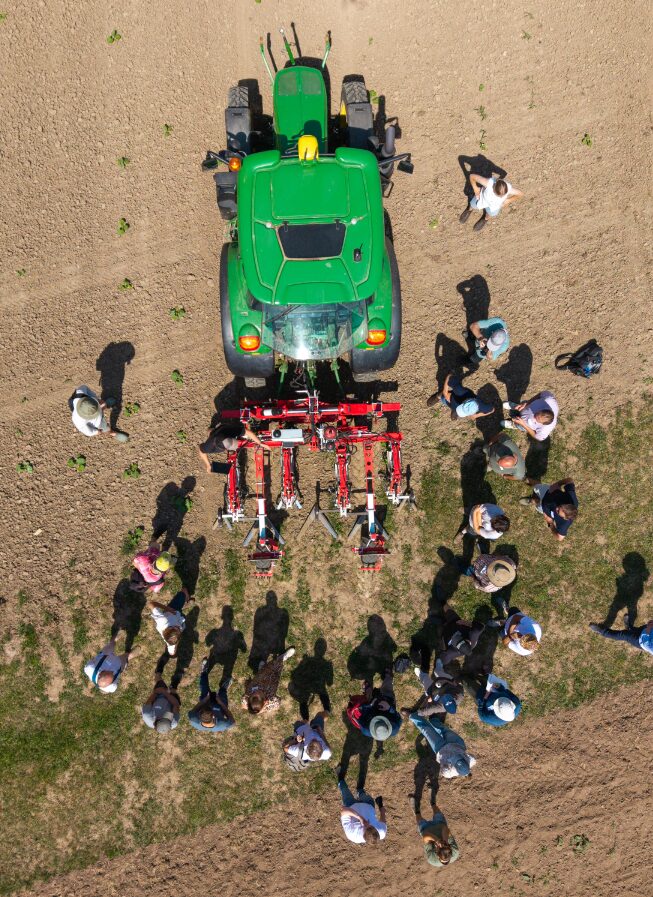
Once the playing field is clear, Foodvalley brings the right stakeholders together.
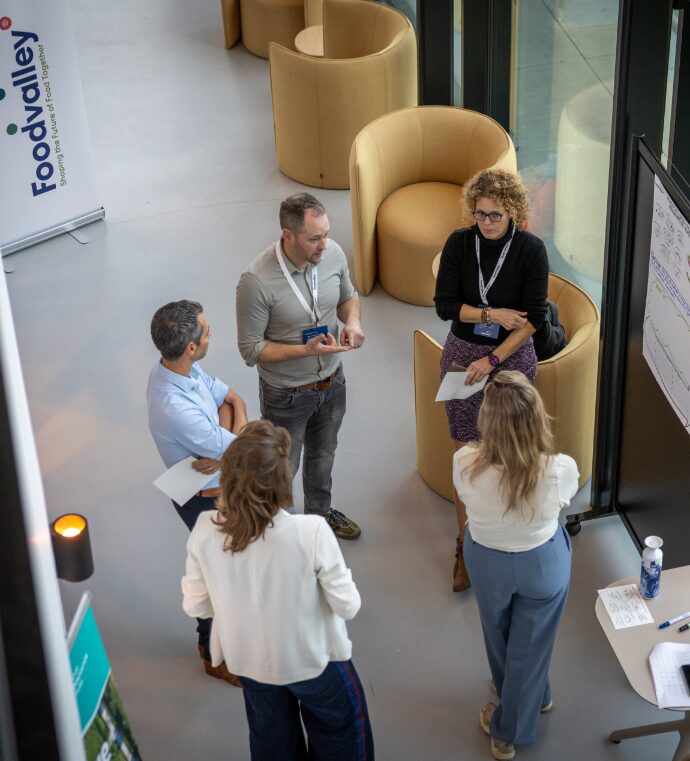
As a neutral convenor, we help partners build a shared understanding of the challenges, opportunities and ambitions for the landscape. We create space for open dialogue and help clarify how each party can contribute from its own role, responsibility and expertise.
This is where Foodvalley’s independence matters. We do not represent one commercial interest or one part of the value chain. We can bring farmers, agri-food companies, enablers, water partners, public actors, investors and civil society together in a way that is trusted and inclusive.
Through The Regenerative Agriculture Community, we also connect landscapes to other initiatives across Europe, so partners can learn from existing examples and avoid reinventing the wheel.
3. Bolster the value chain ecosystem
Landscape initiatives need a strong ecosystem around them.
Landscape initiatives need a strong ecosystem around them.
Foodvalley helps to strengthen the landscape ecosystem by connecting landscape actors with relevant knowledge, funding opportunities, market partners and examples from other regions.
We support this with our initiative The Regenerative Agriculture Transition Map.
We bring pioneers and proven examples into the spotlight, facilitate knowledge exchange and unlock access to expertise from across Europe.
We can also support landscape actors in growing into their role as regional expertise hubs and connect them to The Regenerative Agriculture Community.
4. Let new regenerative value chains emerge
Foodvalley helps partners develop new regenerative landscape initiatives or strengthen existing ones.
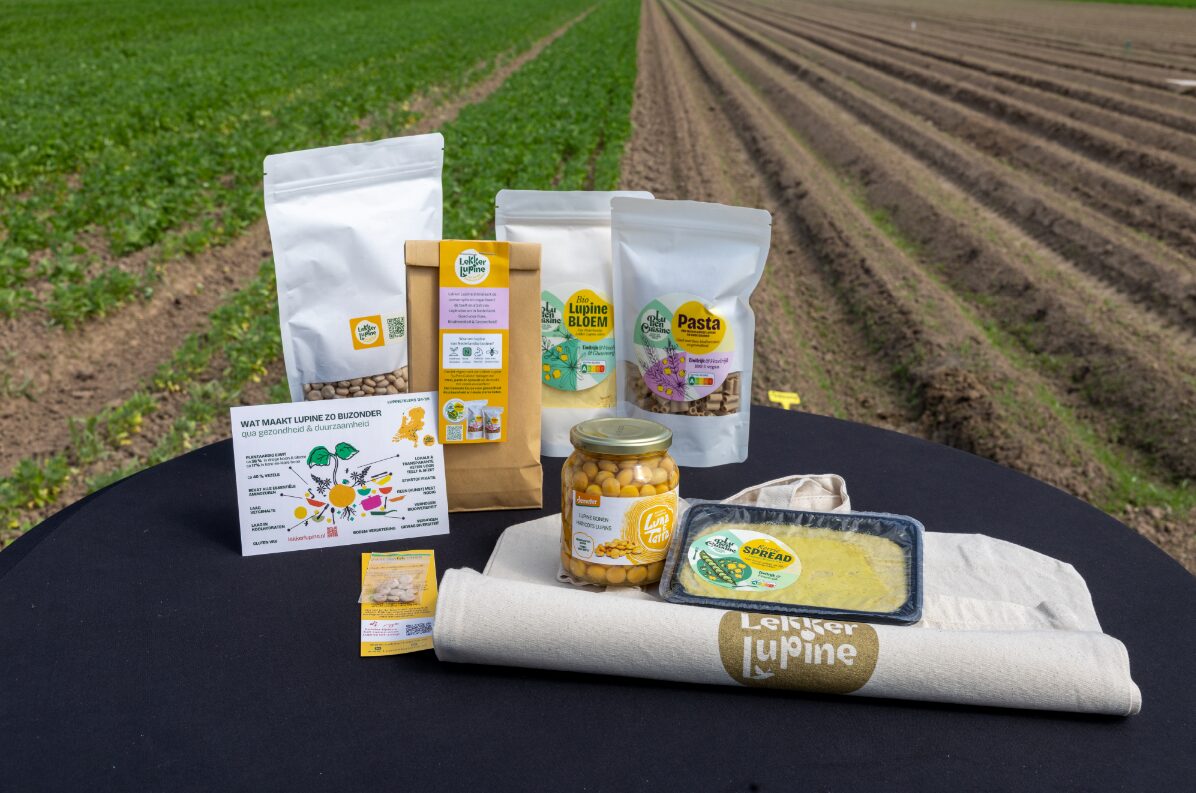
Some initiatives start small, with a focused group of committed partners. That can be a powerful way to build trust, test solutions and create momentum. But the ambition is always to work towards impact at scale, either through expansion, replication or shared learning.
Foodvalley can also help landscape partners connect their ambitions to relevant value chains, funding opportunities, knowledge partners and communication support. Where market development is needed, we link landscape initiatives to our value chain expertise and, where relevant, to the Entrepreneuring Apart Together (EAT) approach.

5. Monitor results
A transition proces monitoring your progress is
Foodvalley’s ambition is to help transform the food system by applying the 5 building blocks for the Practical Approach to help connect partners and strengthen concrete collaborations.
That means monitoring progress, learning from practice and adjusting the approach where needed.
Regeneration is not a fixed blueprint. It is a transition process that requires trust, evidence, adaptation and long-term commitment.
Examples of landscape initiatives
The Resilient Agriculture Portfolio
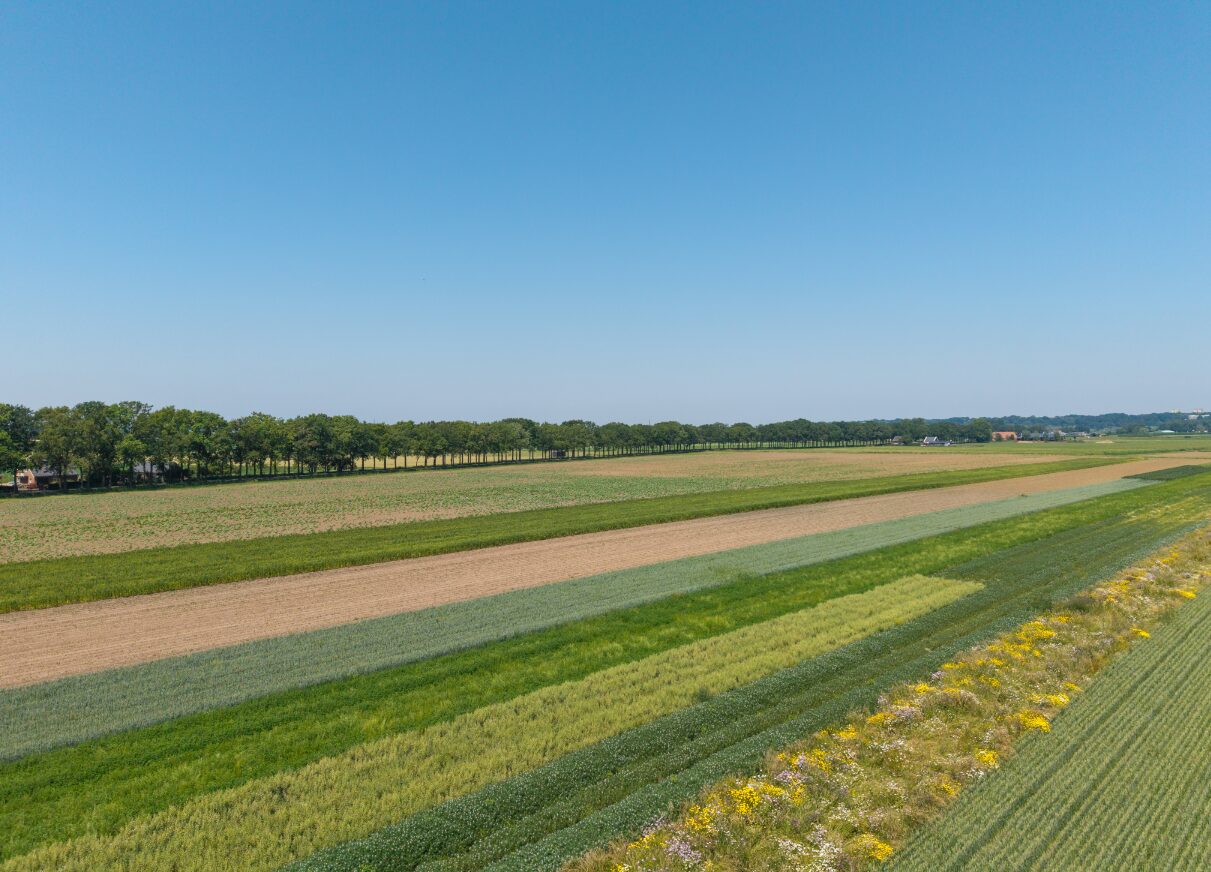
The Resilient Agriculture Portfolio aims to remove barriers to the adoption of regenerative agriculture by demonstrating innovative cross-value chain solutions in Europe, enabling viable business models to boost the supply of regenerative products and ecosystem services.
The Portfolio brings together diverse stakeholders across Europe to drive essential systemic changes, addressing the urgent need to transform our flawed food system into one that prioritizes sustainability and social equity. This transformation aims to cultivate a circular agrifood landscape rooted in value-based principles, fostering inclusivity for both nature and social well-being.
The Resilient Agriculture Portfolio, funded by EIT Food, is an ecosystem collaboration, established as a Food Innovation Hub Europe Initiative, and brought to you in collaboration with Foodvalley.
Water and soil initiatives
Foodvalley is also developing Dutch landscape projects that take the water-soil connection as a starting point for collaboration.
From the beginning, water boards, water companies and related stakeholders are involved alongside farmers, producer organisations, cooperatives, off-takers, landowners, public actors and financiers.
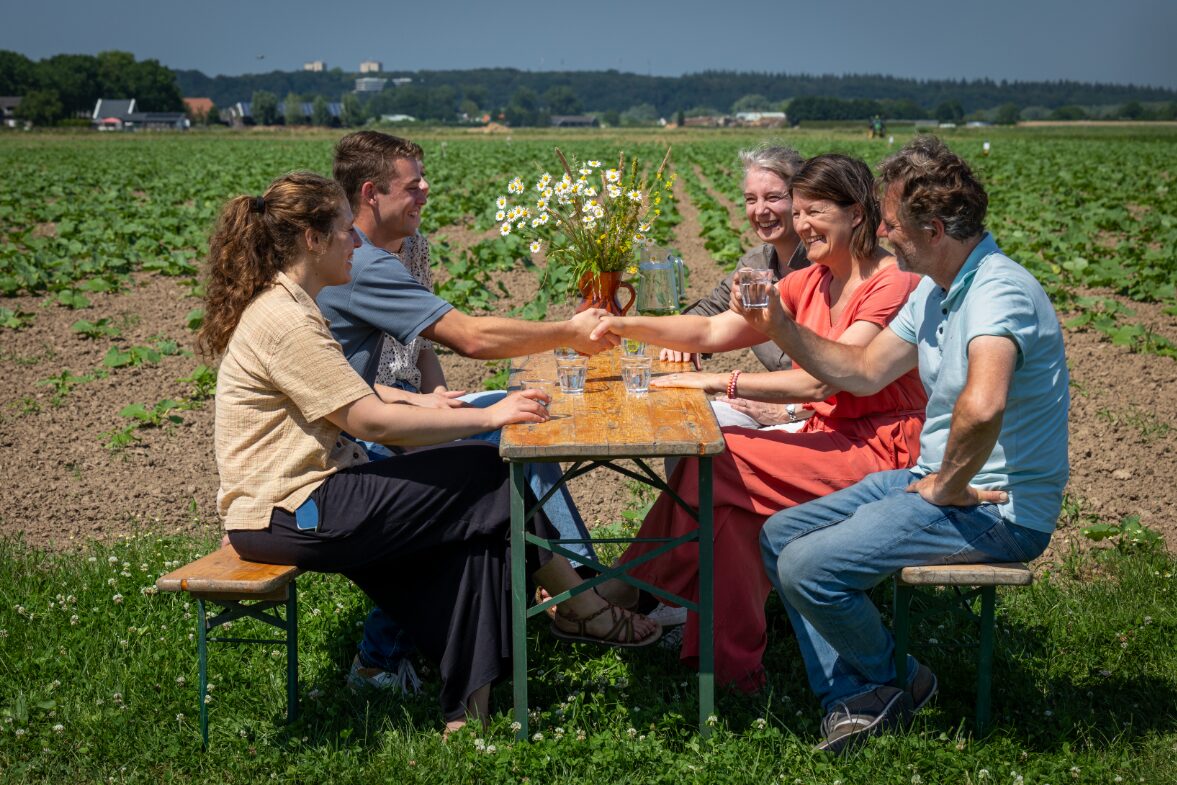
A shared meal can serve as the starting point for a joint exploration of needs, ambitions and opportunities. Around the table, partners begin to see how their interests connect and what they can do together to build a more resilient landscape.
Get in contact

Resilient Agriculture Portfolio
We break barriers to RegenAg adoption by demonstrating innovative cross-value chain solutions in Europe
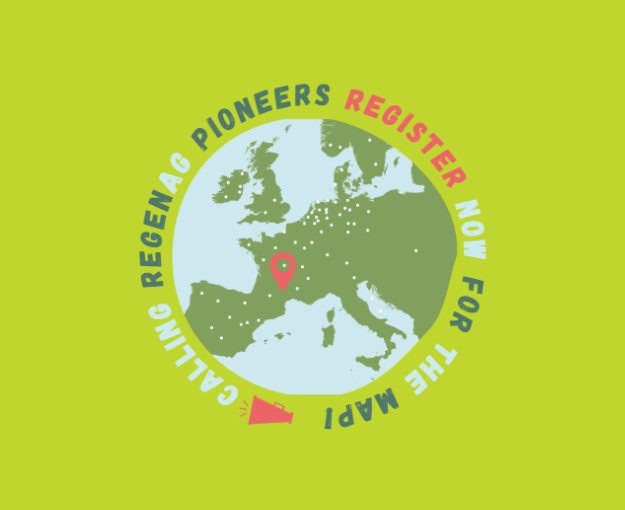
Regenerative Agriculture Transition Map
Soon we will be launching a map where you can see all Europe’s RegenAg landscapes. Register your initiative or landscape now to be part of the launch
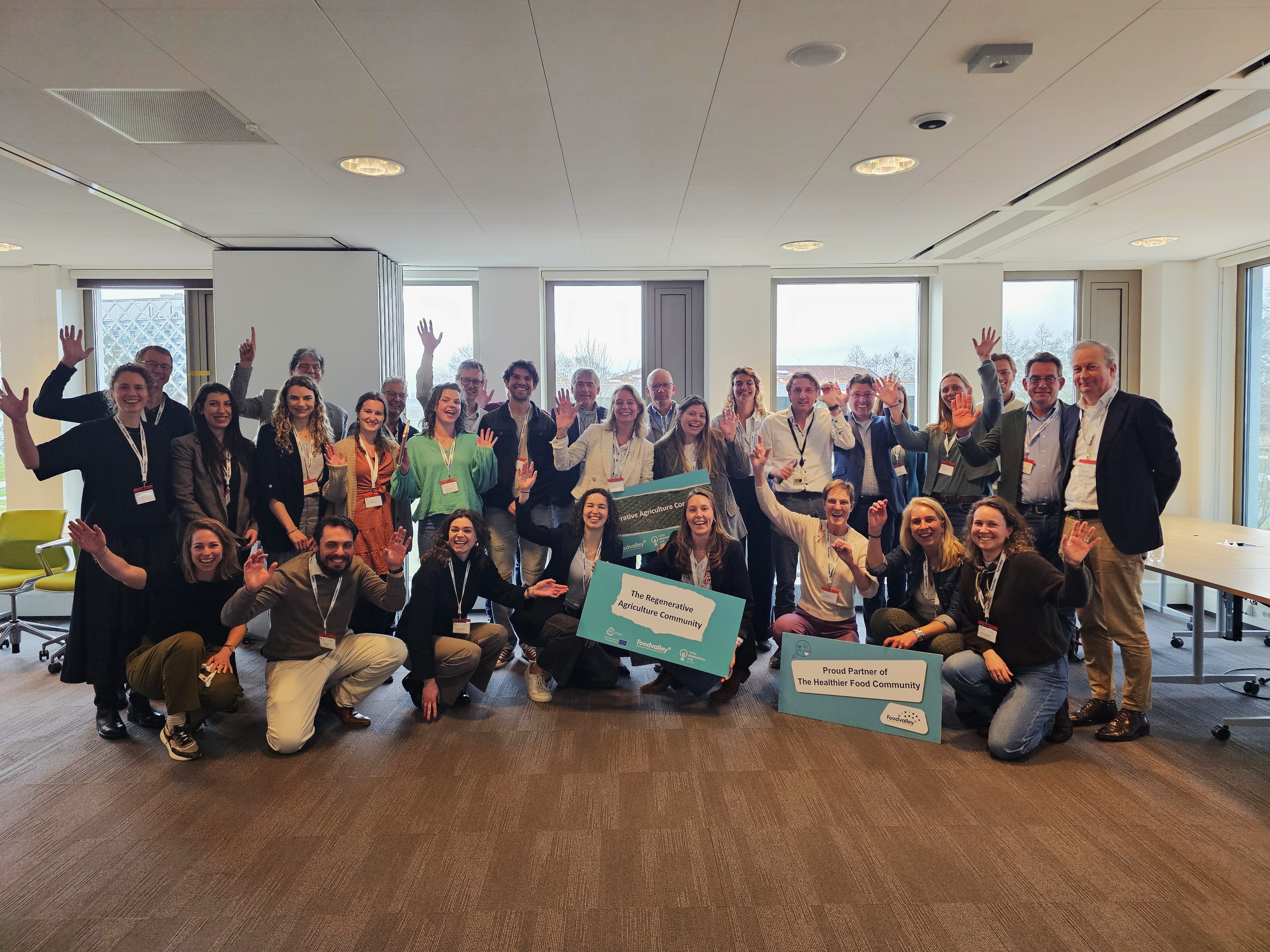
The Regenerative Agriculture Community
Join a vibrant collective of partners working together to take steps in regenerative agriculture. Going from ambition to action.