

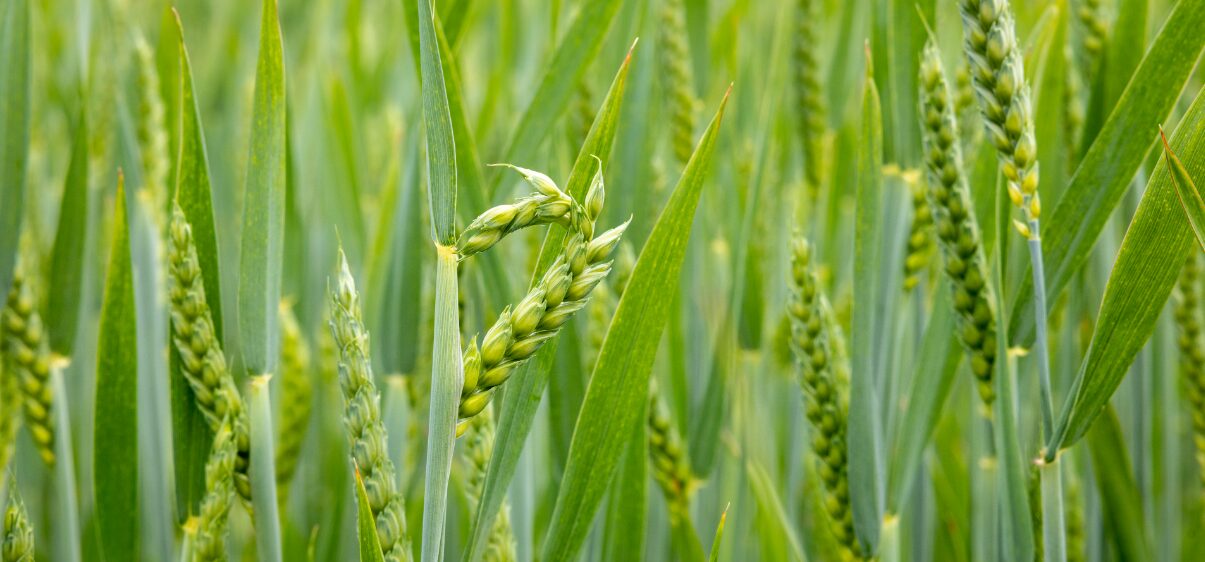
Convening regenerative value chains
Building regenerative value chains that work in practice
Regenerative agriculture can only scale when it has a viable route to market.
- Farmers need reliable outlets, fair pricing and recognition for the value they create.
- Processors and brands need consistent quality, volumes, traceability and buyers.
- Retail, food service and B2B buyers need continuity of supply and propositions that connect with the market.
- Investors, policymakers and landscape actors need evidence of impact and viable economic models.
In value chains, these needs come together.
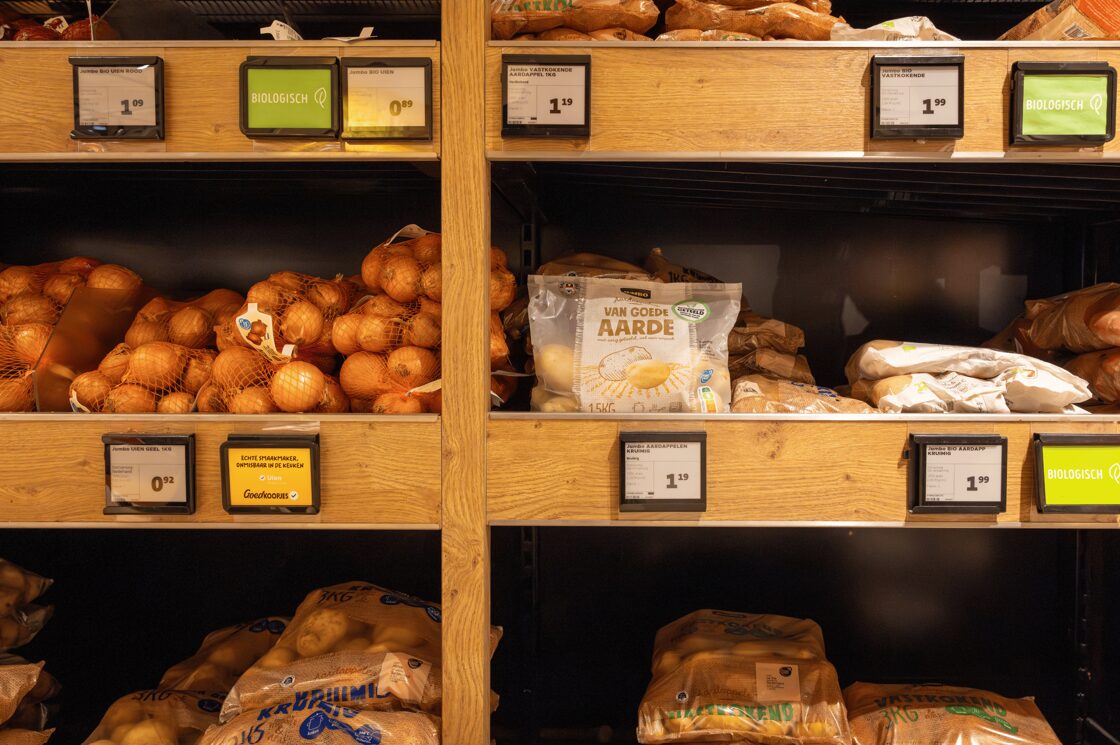
Farmer centered, fair and future-proof value chains
We connect the actors needed to make a regenerative value chain work, from farmers and producer organisations to processors, brands and knowledge partners. Together, we help move regenerative production from ambition to viable market opportunities.
Foodvalley creates the conditions in which farmers, companies or buyers can better understand one another, align their roles and build the collaborations needed to make regenerative production viable.
Where relevant, we apply the Entrepreneuring Apart Together (EAT) approach, to bring actors across the value chain closer together, from farm to fork. We can also provide knowledge exchange infrastructure, visibility, and communication support needed to help regenerative value chains grow.
Why a regenerative value chain approach
Regenerative production needs more than good farming practices. It needs demand, commitment and a fair functioning value chain.
Without reliable markets, farmers cannot bare the risk. Without farmer engagement, companies cannot build credible regenerative sourcing models. Without processors, brands, retailers, food service and B2B buyers, regenerative products may not find their way to the market. Without investors and public actors, the transition may lack the support needed to scale.
A regenerative value chain approach brings these actors together around shared ambitions and concrete opportunities.
When partners align on conditions, volumes, pricing, timelines, risk sharing and value creation, regeneration can move beyond pilots and become part of the way food is grown, processed, marketed and sold.
All work takes place in accordance with competition and antitrust rules of engagement.

Foodvalley’s role
Foodvalley acts as a neutral convenor and strategic partner for regenerative value chain initiatives and value chains that aim to become regenerative.
We help partners initiate collaboration, understand the playing field, connect the right actors and strengthen the conditions for long-term value creation. Throughout this work, we keep a farmer-centered perspective, while building fair value chains made to endure.
Our role includes:
- helping partners identify and materialise value chain opportunities
- bringing the right actors together around a shared ambition
- supporting fair collaboration models that create value for farmers and market partners
- strengthening the market position of farmers and valorisation of regenerative produce
- connecting initiatives to knowledge, visibility and The Regenerative Agriculture Community
How we convene for regenerative value chains
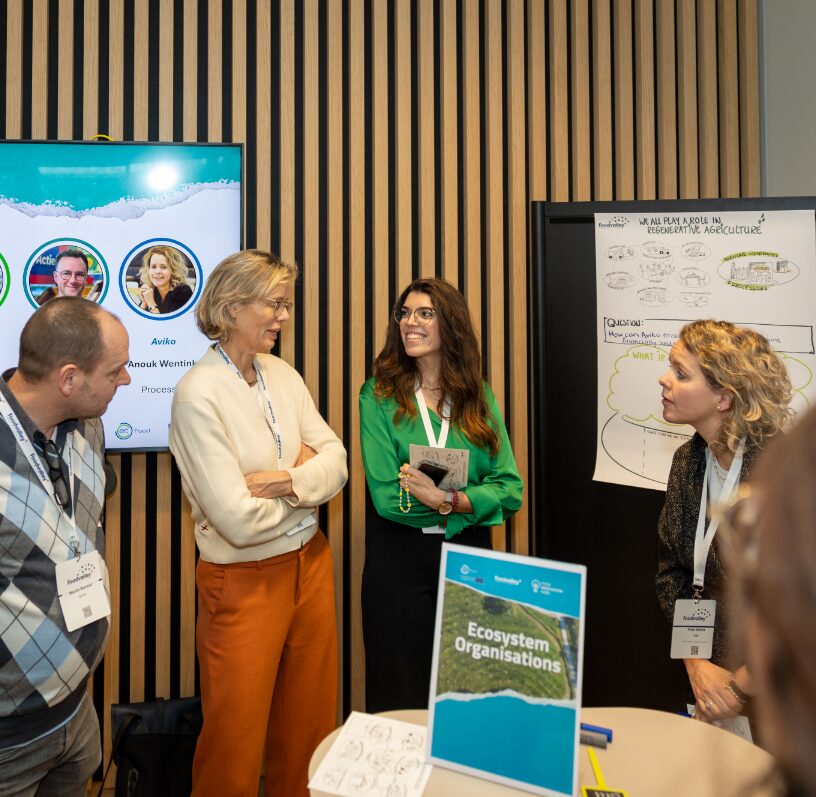
1. Discover the value chain playing field
Every value chain initiative starts with a shared understanding of how the chain currently works.
We map the relevant actors from farm to fork and analyse market dynamics such as demand, volumes, pricing, quality requirements, sourcing expectations and existing collaboration models. This helps identify the bottlenecks and dependencies that prevent regenerative production from scaling and reveals where opportunities lie.
Sometimes we identify a need to improve the markets for existing crops or products. Sometimes we identify the need for new value chains or applications for diversified crop rotations.
Or we identify needs for connecting landscapes to new buyers or creating stronger propositions for B2B and consumer markets.
2. Get everyone to their role
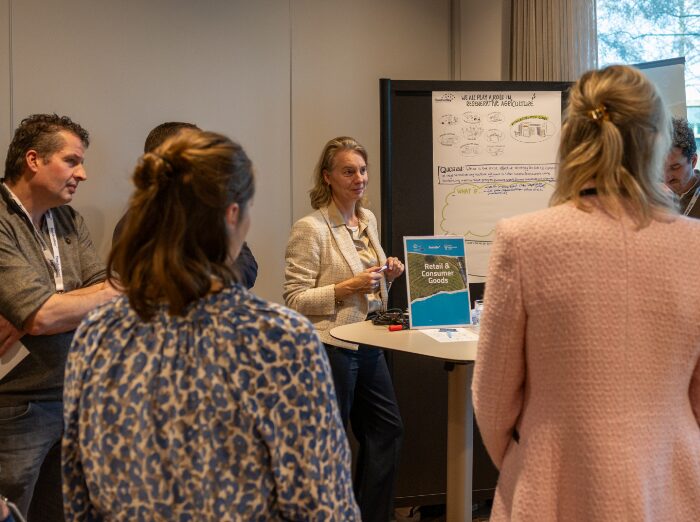
As a neutral convenor, Foodvalley brings key value chain actors together around a shared ambition.
We help partners clarify how each party can contribute from its own role, interest and expertise. role,
Farmers, processors, brands and buyers remain responsible for their own entrepreneurial choices, but gain a clearer view of how collaboration can be shaped to strengthen the value chain as a whole.
3. Bolster the value chain ecosystem
To help value chain initiatives grow beyond pilots, Foodvalley strengthens the ecosystem around them.
We connect initiatives to other actors, sectors, landscapes and value chains.
We facilitate knowledge exchange, bring in relevant expertise and support communication towards market, policy and landscape stakeholders.
By linking value chain initiatives to the Regenerative Agriculture Community and to European peers, partners can learn from each other and discover new opportunities.
4. Let new regenerative value chains emerge
Foodvalley also helps create the conditions for new regenerative value chains to emerge.
This can be relevant for resilient crop varieties, protein-rich crops or other crops that contribute to soil improvement, biodiversity or more diverse rotations.
We bring together the actors who can help such chains develop: growers, processors, buyers, knowledge partners, investors and enabling organisations.
By connecting partners, sharing examples and creating a trusted environment for exploration, Foodvalley helps new market linkages emerge, and regenerative crops find a viable route to market.
5. Monitor results
Foodvalley monitors the results of its activities and adjusts the approach where needed.
Our ambition is to help transform the food system by getting everyone to their role and tackling the barriers that prevent regenerative agriculture from scaling.
In value chains, this means learning what works, sharing insights and helping partners build models that are both regenerative and economically viable.
Get in contact

Resilient Agriculture Portfolio
We break barriers to RegenAg adoption by demonstrating innovative cross-value chain solutions in Europe
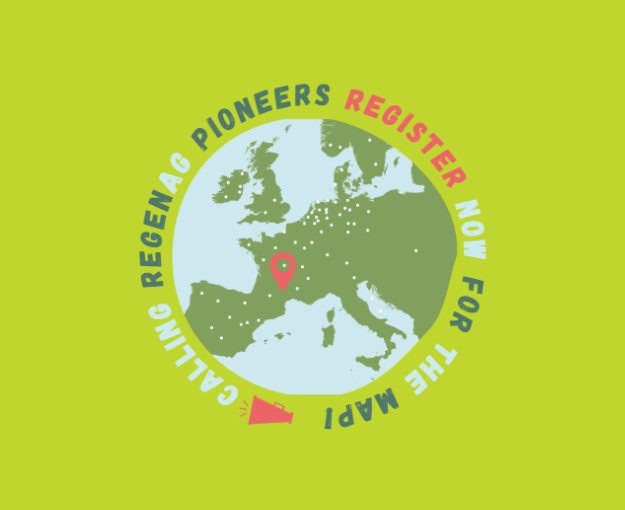
Regenerative Agriculture Transition Map
Soon we will be launching a map where you can see all Europe’s RegenAg landscapes. Register your initiative or landscape now to be part of the launch
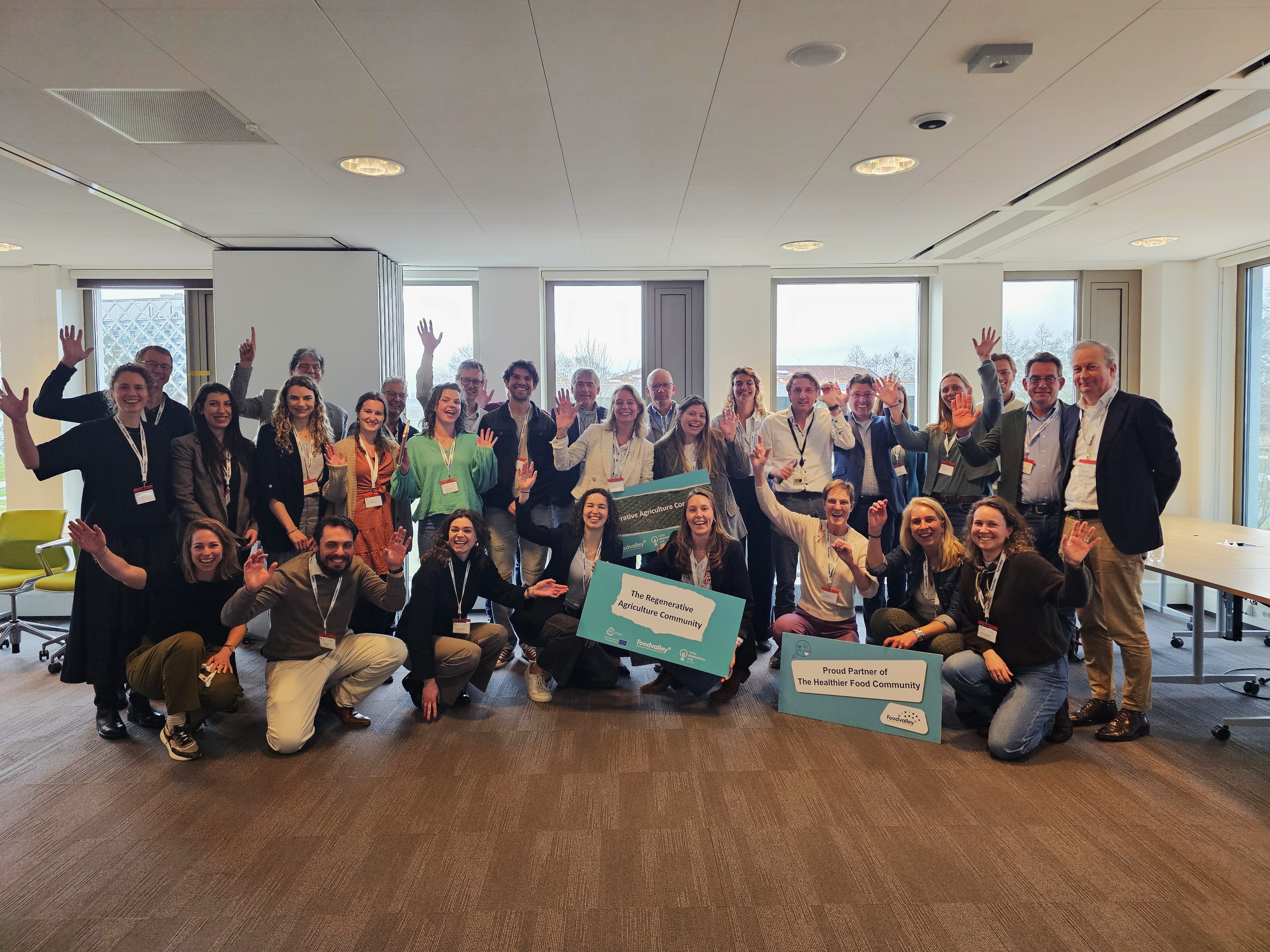
The Regenerative Agriculture Community
Join a vibrant collective of partners working together to take steps in regenerative agriculture. Going from ambition to action.