Marjolein Brasz, CEO Foodvalley
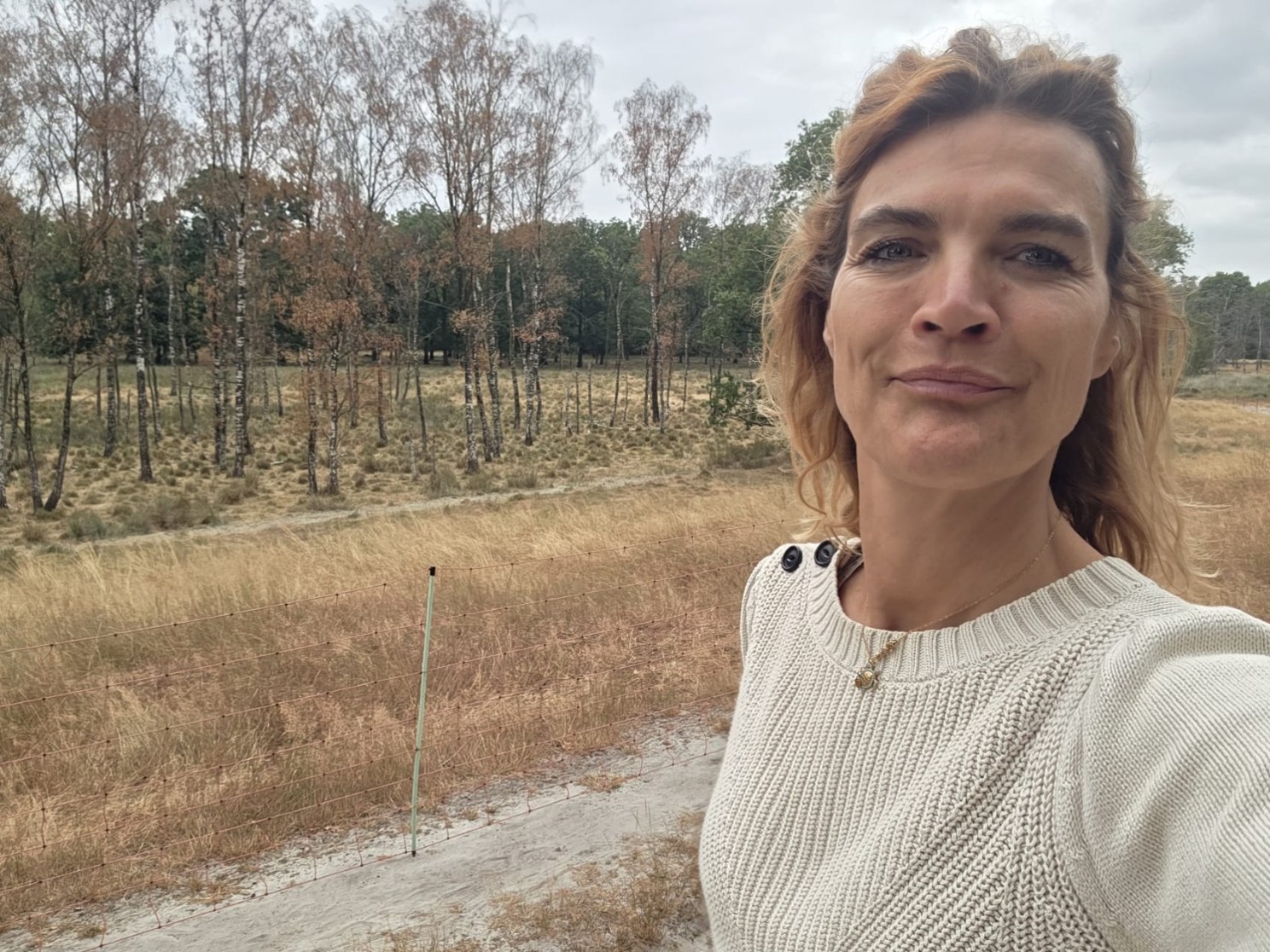
A couple of weeks ago we were looking after the house of friends while they are away for holidays. It sits in an idyllic spot, surrounded by forest, close to the Kalmthout Heath. We have been coming there for years.
One of the things I love most is simply sitting outside, doing very little. Listening. Or cooking with the windows open, letting the sounds of the forest drift through the house.
This time, something felt different. There was almost no sound.
No birds, no insects. Not even the earthy scent of a living forest.
July is not the month of singing birds, so silence is not entirely unusual. We live in a migratory bird area ourselves, which may have made me less aware of how much has already changed elsewhere. Yet this silence felt deeper. Heavier.
The forest seemed muted.
I could not shake the feeling that I was witnessing something disappearing.
The landscapes around Kalmthout Heath have long struggled with drought, acidification and declining biodiversity. Human activity has shaped these ecosystems for decades. We know the story. We know the data. We know the trends.
Yet knowing something and feeling it are two very different things.
Sitting there, surrounded by trees and stillness, I felt something that went beyond concern. It felt like grief. And it hurt.
A deep, smoldering pain. It unsettled, like it has been unsettling me more often recently.
The pain of realising that the living world which shapes me, nourishes me and gives me joy is becoming poorer, quieter and less vibrant year after year.
At the same time, southern France was burning again. And recently the Heath in Limburg. Countless living creatures caught in the fire. Small animals, birds, insects and other wildlife suffered and died. Trees that had stood for decades consumed in hours. Plants that had quietly grown, flowered and nourished life around them reduced to ash.
Wildfires are not new. Drought is not new. Biodiversity loss is not new.
What is changing is the scale, the intensity and the frequency with which we experience them.
There is a temptation to look away. The losses are too large. Too overwhelming.
Perhaps that is why I rarely make space for grief, that I rarely talk about this grief.
It is too big. Too overwhelming.
Perhaps that is also why we rarely talk about it collectively.
We speak about climate mitigation, adaptation, resilience and transitions. We discuss solutions, business cases and policies. All of which matter enormously.
Yet how often do we allow ourselves to mourn? To truly mourn.
For what has already been lost. And for what we know may be lost in the years ahead.
I wonder how many others recognise this feeling. A sadness for what is disappearing around us. A sense of loss that sits somewhere deeper than concern.
Yet beneath that grief I also find something else. Energy.
The grief is real because the losses are real. And perhaps acknowledging that grief matters more then we realise.
It will not restore what has already been lost. But what we mourn reveals what we love.
And what we love is often what we are most willing to protect.