Meet the team

I believe everyone deserves tasty, healthy, and affordable food — and that our food production should give back to nature rather than take from it. This is the future we are working towards at Foodvalley, together with you: our diverse community of local, national and international partners.
With years of business experience and a deep passion for systemic change, I know we can only get there by working together — across sectors, borders, and mindsets.
Curious about who is driving this transformation? Meet our fantastic team.

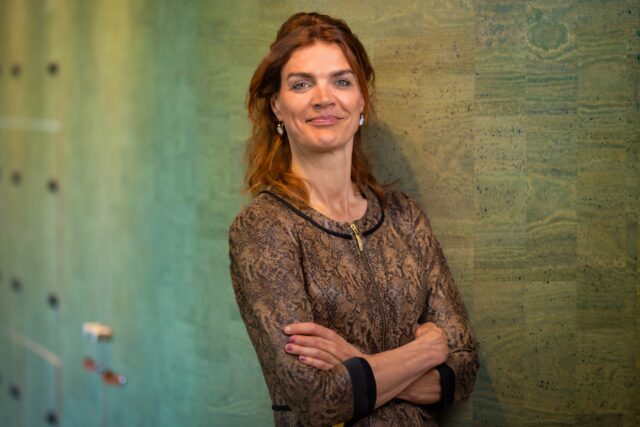
Marjolein Brasz, CEO Foodvalley

You can read more about my vision and our way of working in the editorial for the Foodvalley 20-year anniversary Magazine, listen to the “Leaders in Food” podcast, the “Samenwerken in transities” podcast (in Dutch) or the Mastering Transitions podcast (in Dutch), or explore the in-dept interview on my personal journey, motivation and passion.

Innovation Field: Protein transition

Protein transition involves shifting towards more sustainable and alternative sources of protein. This is important for building a more sustainable and ethical food system that supports the health and wellbeing of people, animals, and planet. As populations continue to grow, protein transition can help to ensure that food systems are capable of meeting the nutritional needs of people in a way that is environmentally and socially sustainable.

Innovation Field: Food & Health

Traditional industrial food production systems often prioritise quantity over quality, which can lead to nutrient-poor foods that are high in sugar, salt, and unhealthy fats, contributing to non-communicable diseases such as obesity, diabetes, and heart disease. By promoting healthier and more sustainable diets, food transition can improve public health outcomes.

Innovation Field: Circular Agrifood

Circular Agrifood is a process of producing food, where there is a closed-loop system that optimises the use of resources and reduces waste. It involves the idea of reducing waste and reusing or upcycling materials throughout the food production cycle. The approach focuses on sustainable agriculture, waste reduction, and circular economy principles in the production and consumption of food.

Strategy

Project Management

Operations

Fundraising

Marketing and Communications