Jeroen Willemsen, Lead Protein Transition Foodvalley
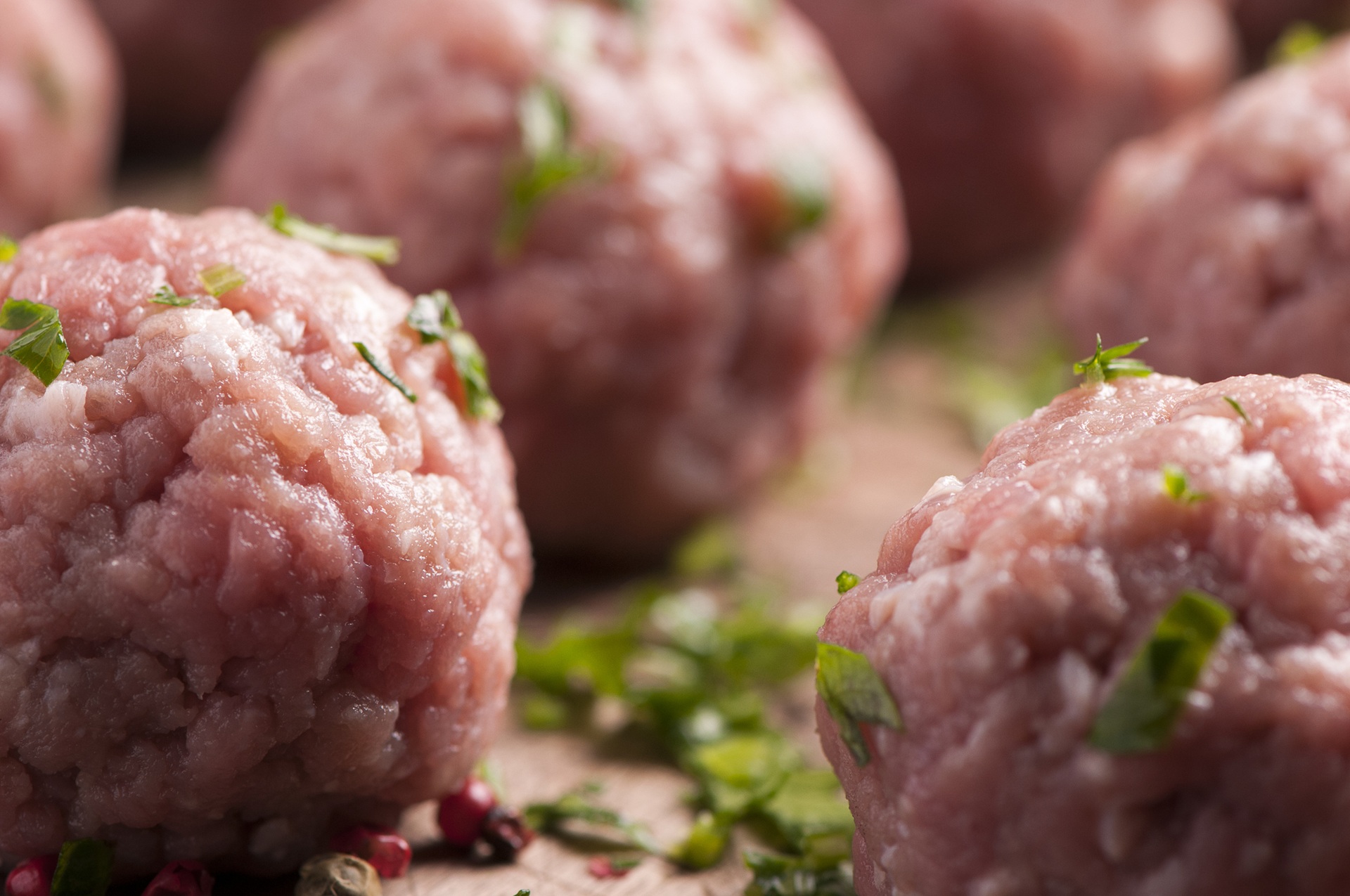
Not everything was better in the past. But my grandmother’s meatball was. My grandmother, who lived from 1921 to 2006, made meatballs that were juicy, tender, full of texture and rich in flavour. In my memory, I can still see her mixing the minced meat with finely chopped onion, parsley, tomato, breadcrumbs and an egg. That little meatball, not too big, no more than 100 grams, was a real treat. Served with fresh vegetables, potatoes and, of course, thick gravy.
Although I eat far less meat these days, I still occasionally find myself longing for my grandmother’s meatballs. Sadly, when I tried to recreate it myself, following the recipe as I remembered it, I did not come close. Still, I held on to hope. In the retro recipe for the widely praised meatball by Dutch singer Dries Roelvink, I recognised that same combination of meat, finely chopped onion, parsley and breadcrumbs. His meatball is good. What I miss, though, is that pinch of sentiment and teaspoon of nostalgia.
The return of retro food
Dries and I are not the only ones slowly rediscovering the sensory richness of retro food. Pulses, too, are making a cautious comeback, as the latest sales figures show. This is being driven by a combination of fibremaxxing, convenience, variety, affordability, new product formats, trendy brands and attention through initiatives such as BEANMEAL and Wissel ’ns Wat. Modern varieties such as chickpeas and edamame are doing particularly well, alongside classics such as baked beans in tomato sauce.
At a European level, there is great anticipation around the revival of pulses. For a healthier European consumer, as a new revenue model for farmers, and as a way to become more self-sufficient in food. The Protein Project’s roadmap, Towards a Legume Renaissance in Europe, outlines one possible route. A long one.
Time to throw a better party
Despite all these examples, there is still a great deal to do before we can speak of a true plant-based renaissance. The new Dutch Wheel of Five, with its even stronger advice to consume more nuts, vegetables and pulses, is far from enough. For many consumers, we need to throw a much, much better party. Because that is not how eating more plant-based foods, more vegetables and more pulses is currently perceived, as shown by the media attention around the comeback of hybrid products and the new Wheel of Five.
Perhaps I should invite Dries after all. He certainly knows how to throw a party. And apparently, he can cook too. Singing together and eating well seems to me like an excellent start to the Renaissance-in-Food Tour.