

Co-create the scaling of protein & regenerative foods
Key learnings from the joint breakout on the Innovation Insights event
During the recent Innovation Insights event on September 16, hosted at the new location of De Groene Afslag in Bussum, Foodvalley brought together the Regenerative Agriculture and Protein Communities for a joint breakout session. By highlighting several key moments in each transition, a clear overview was presented of how both transitions have developed and where they can strengthen each other.
The session opened with reflections on the growing momentum behind regenerative agriculture and was captured in three pivotal moments that mark its acceleration:
- More Momentum: Regen Ag as a Solution
Rooted in Indigenous practices like crop rotation, polycultures, and agroforestry, regenerative agriculture began gaining broader attention between 2000–2010 as climate and carbon debates intensified. Agriculture was increasingly recognized as both a source of emissions and a solution, sparking corporate and policy interest. The cultural tipping point came in 2020 with the Kiss the Ground documentary, which reached tens of millions worldwide and reframed soil health as a popular climate narrative, engaging farmers, policymakers, consumers, celebrities, and investors.
- Major Corporate Commitments
As momentum grew, leading corporations—including Walmart, PepsiCo, Nestlé, Danone, General Mills, and Unilever—made regenerative agriculture part of their climate strategies and supply chain goals. These commitments represented a shift from small pilot projects to large-scale, integrated programs, amplifying market pressure on conventional agriculture, channeling investment into regenerative practices, and signaling the move from emergence to mainstream adoption.
- Largest Pioneering Research Study
EARA & EIT Food Landmark Study (June 2025) highlights climate resilience, food security, soil health, and economic benefits and is the largest farmer-led study on regenerative agriculture to date (2021–2023, published 2025). Benchmarking 78 regenerating farms across 14 countries, it demonstrated an average +33% higher productivity and significant ecosystem gains (+25% photosynthesis, +24% soil cover, +16% plant diversity). By providing hard evidence that regenerative systems can outperform conventional models in productivity, resilience, and food sovereignty, this breakthrough offers a practical measurement tool for embedding regenerative agriculture into policy and incentives, further accelerating the paradigm shift.
At the same time, the protein transition is changing the way we think about food sources, with a growing focus on plant-based and alternative proteins. One of the key challenges discussed was how to translate scientific breakthroughs into practical business opportunities. Success depends on telling compelling stories that connect with processors, retailers, and consumers, making innovation accessible and relevant.
- Decline of meat & dairy
In the 1950s, meat became a symbol of prosperity, stimulated by the Marshall Plan and agricultural policy agreements. However, from the 1990s onwards, growing awareness of health, sustainability, and animal welfare began to change consumption patterns. This shift was reinforced in 2016, for instance, when the Dutch Schijf van Vijf dietary guidelines set maximum recommended meat consumption and promoted pulses, nuts, and meat replacers as healthier and more sustainable alternatives.
- Emergence of new protein products
The diversification of protein began with early innovations such as Quorn’s mycoproteins in the 1980s and soy drinks in the 2000s from companies like Alpro. A breakthrough came in the 2010s with the launch of Beyond Meat, Impossible Foods, and the Vegetarian Butcher, which brought plant-based products closer in taste and texture to traditional meat. By the 2020s, new protein sources such as peas, fava beans, lupine, seaweed, and algae further expanded the market, boosted by investments in fermentation and cultured meat.
- Rise of meat replacers
Once seen as niche products, meat substitutes have moved into the mainstream. Plant-based and blended proteins are now widely available in ready-to-eat meals, snacks, and meal kits, making them part of everyday diets. This rise has been strengthened by political and economic initiatives, such as the Dutch Protein Strategy of 2022 and the EU Protein Strategy resolution of 2023, which positioned alternative proteins as a key element of climate action, food security, and economic development. A great example is the launch of the Protein Transition Map NL in 2024, which highlights the economic impact of the protein transition and provides online access to more than 525 innovative companies.

Where both transitions meet
Although the protein transition and the regenerative agriculture transition have evolved along different paths, they intersect in powerful ways. Together, they unlock synergies across three areas of development—business models, local supply chains, and climate impact—where each transition strengthens the other and accelerates the shift toward resilient, future-proof food systems.
- Stronger Business Models – By learning from protein pioneers like the Eiwitboeren van Nederland, farmers could move up the value chain through processing, branding, and direct sales. Sharing risks and innovations makes both the protein and regenerative transitions more profitable and less daunting.
- Local Loops, Lasting Value – Regenerative farmers growing plant proteins like peas and beans for regional supply chains create fresher, traceable, low-emission foods. Value stays local—supporting farmers, boosting brand identity, and strengthening communities.
- Stacked Climate Wins – Plant proteins cut livestock emissions while regenerative practices lock carbon into soils and restore biodiversity. Together, they deliver measurable impact for CSRD reporting and create food systems that heal both planet and people.
Spotlight on practice
Since the session started with a theoretical background, it was important to make a clear connection to practice. Hutten, Royal Koopmans, Falafval, WUR’s Reap2Sow researchers and Vandegrond were invited to share their current challenges related to scaling their products or services in support of the regenerative agriculture and protein transition. To address these cases, participants were divided into groups and asked to identify opportunities, propose solutions, and outline concrete next steps. This collaborative approach resulted in the following key insights. In small groups, both challenges and opportunities were identified.
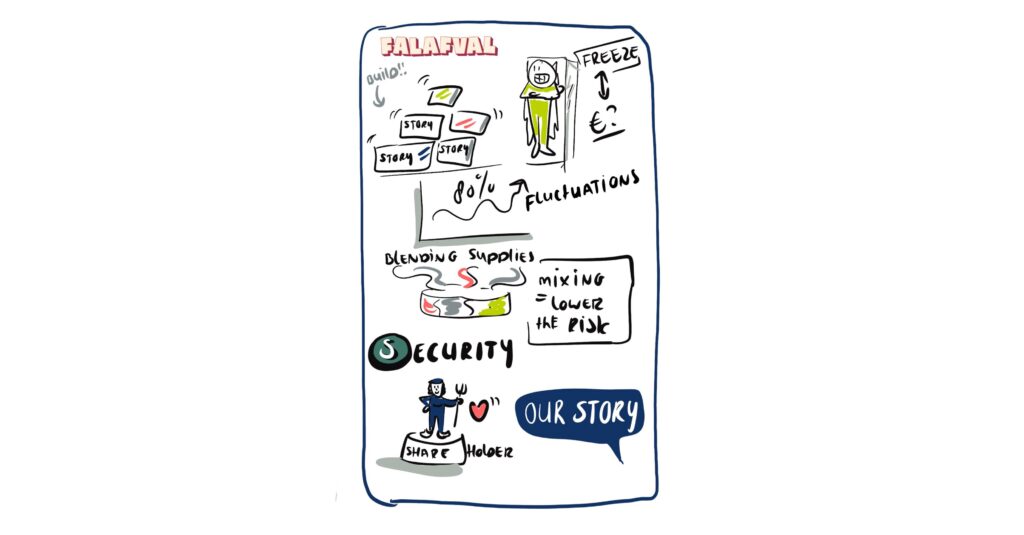
S – Security
Scifo Minnaard (Founder Falafval) noted the challenge of aligning the scale-up of locally grown yellow peas with uncertain and evolving market demand—given the difficulty of long-term forecasting, the seasonal nature of the crop, and the financial risks for farmers without guaranteed offtake. Their participants suggested that security can be strengthened by making the farmer a shareholder, extending shelf life through better storage or freezing, diversifying and blending pea supply across regions, shifting sourcing risks to multiple suppliers, and building consumer trust with a clear story on local, regenerative origins.
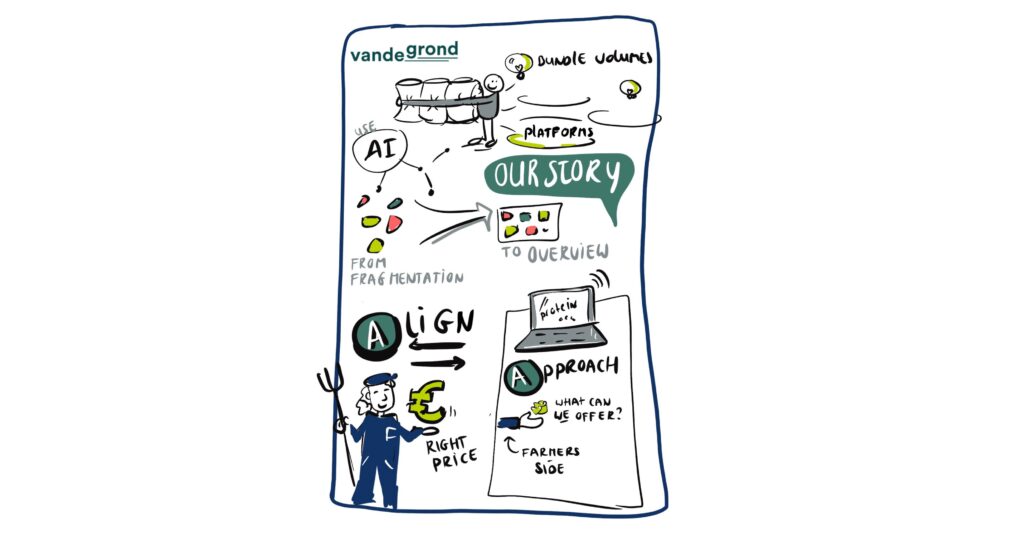
A – Align
Marieke Lenders and Karin Reijnen(FoundersVandegrond) asked participants what kind of sourcing solutions would support them buy more regenerative and plant-based protein products. From the session, they gained the insight to align the platform’s services with market needs by clearly defining its unique approach—specializing in crops, volumes, and labels (non-GMO, regenerative, organic) while distinguishing it from what already exists.
E- Expleducate
Kiki de’ Liguori Carino (Sustainability Manager Royal Koopmans) raised the question: What are the best tools to measure biodiversity at scale, and how can practitioners “sell the story” without tangible, replicable results? The breakout session revealed that explicit data is key to fulfilling the role of education and storytelling in conveying regenerative agriculture practices. Demonstrating outcomes is challenging, as ecological processes are often complex and not immediately visible. However, it’s essential to expleducate both to colleagues at Royal Koopmans as well as their consumers.
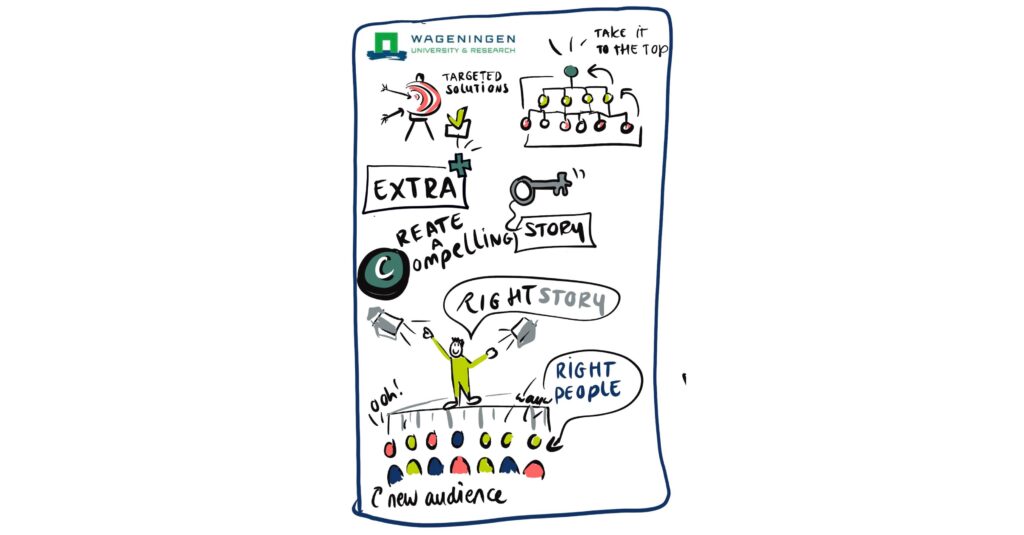
C – Create a compelling story
Researcher Wouter Kohlen (Reap2Sow, WUR) highlighted the challenge of connecting early-stage plant science projects to downstream partners in processing and retail, so that the value created at the breeding and farming side is more evenly shared and reinvested. He suggested addressing this by creating a compelling story—aligning convenience with consumer needs, tailoring messages to different audiences, engaging early adopters to pilot and amplify impact, and supporting scientists with strong communication and storytelling tools.
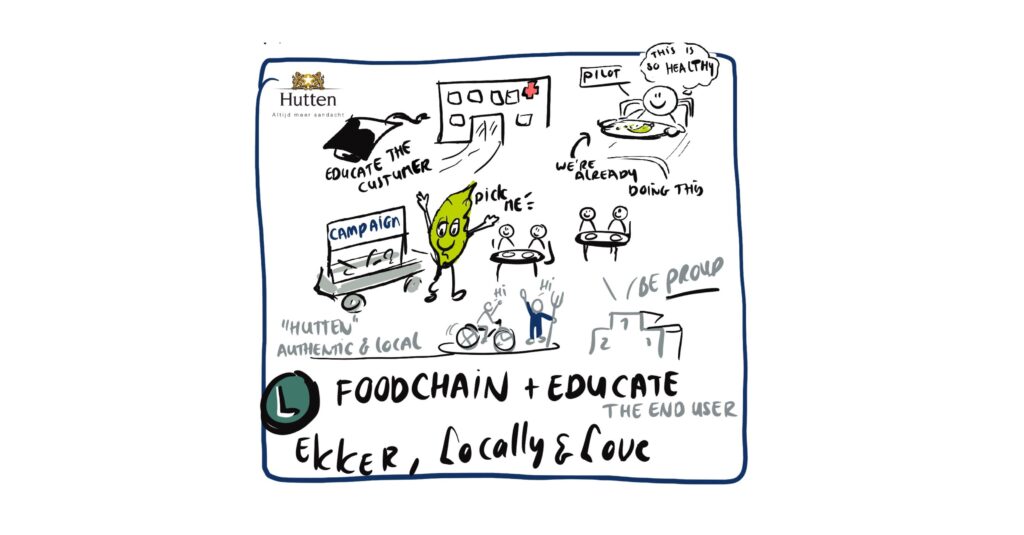
L – Lekker, Locally & Love
Tobias Camps (Directeur Zorgcatering Hutten)asked input on how togrow plant-based products while balancing nutrition, quality, revenue, and costs. Facing cost, labor, and perception challenges, the following next steps were identified: tastings, blended products, recipe videos, educational campaigns for the consumer, strategic pricing, and subtle medical-led communication.
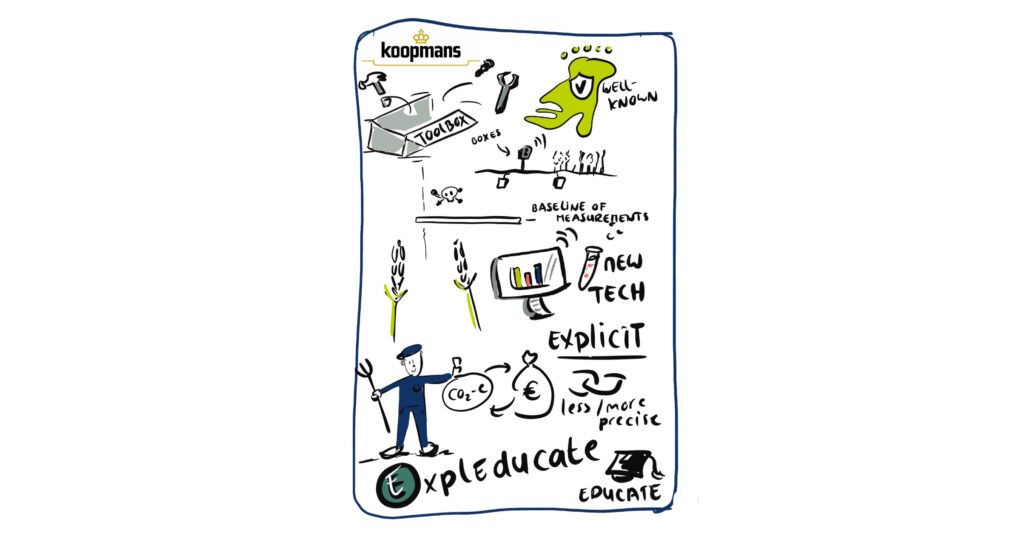
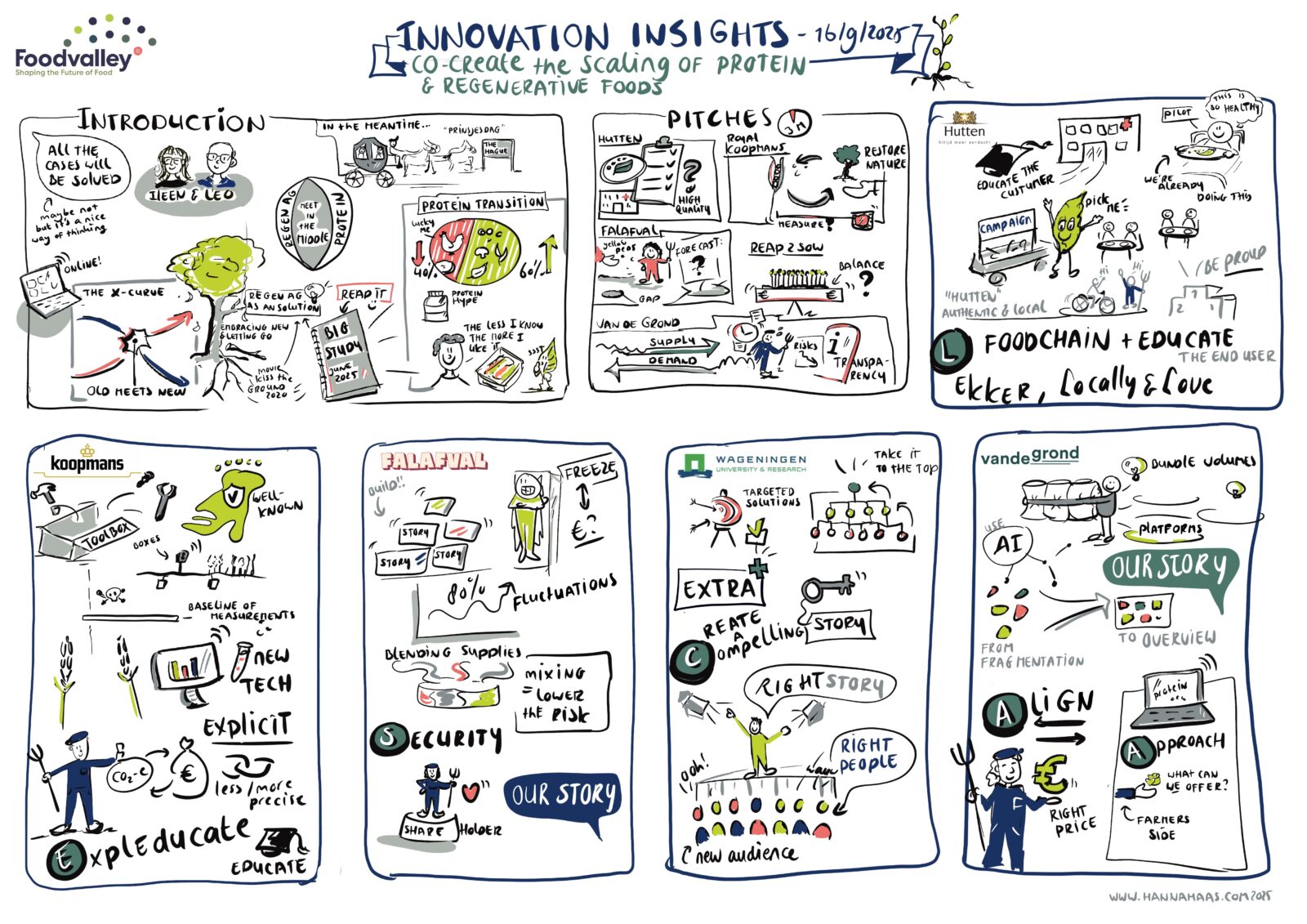
The energy and key learnings of the event beautifully captured in a single visual by live illustrator Hanna Maas.